

Rol in de Detacheringsbranche
- View
The Role of Operational Marketing Plans in the Staffing Industry
Understanding the Landscape: A Shifting Market
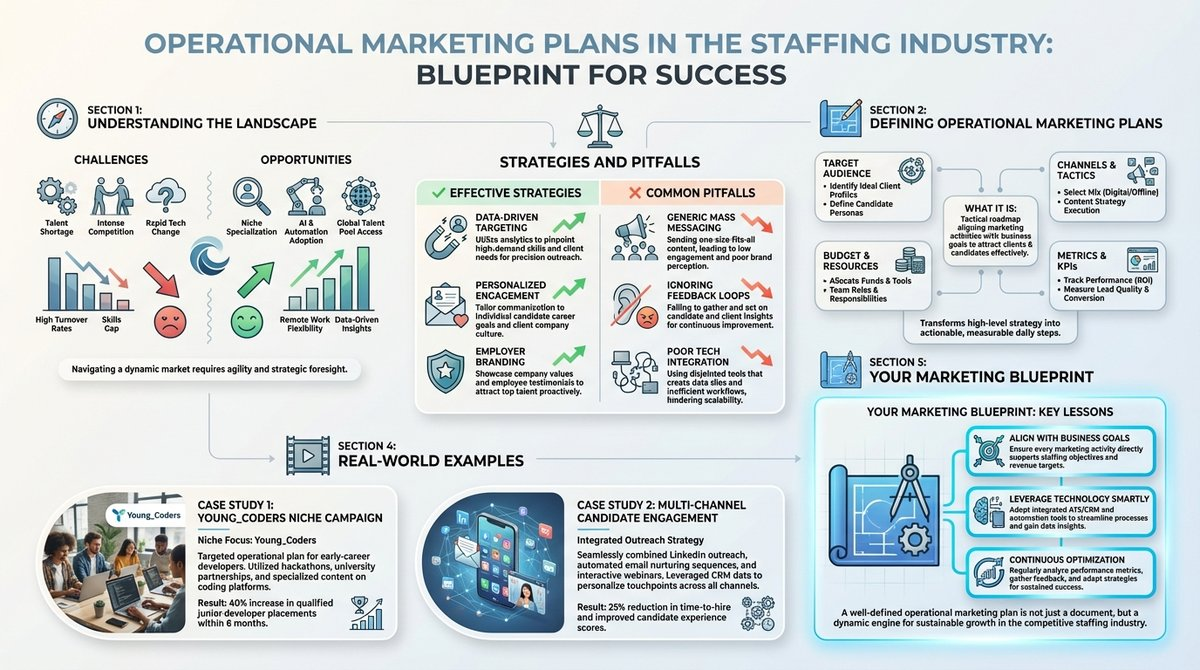
In today's fast-paced staffing industry, characterized by swift developments and escalating competition, attracting the right talent is a critical challenge. Companies need to not only source skilled professionals but also differentiate themselves in a crowded marketplace. This is especially true in sectors facing talent shortages, such as IT. Employees today are not merely looking for jobs but for opportunities that promise growth, skill enhancement, and a strong career trajectory. Hence, operational marketing plans in staffing are pivotal for targeting, attracting, and retaining top young professionals, who often drive the industry's future.
Defining Operational Marketing Plans
Operational marketing plans are detailed guides that stem from broader strategic marketing frameworks. They translate high-level business strategies into actionable steps that directly impact daily operations. In the staffing sector, these plans focus extensively on segmenting the market, targeting the right groups, and positioning the firm's offerings effectively. A well-structured operational marketing plan will outline how to reach potential candidates, the messaging that will resonate with them, and the channels that should be used. This ensures that staffing firms not only attract new talent but also nurture them through tailored development programs such as traineeships and workshops.
Delving Deeper: Strategies and Pitfalls in Market Positioning
- Market Segmentation and Targeting: Critical to an operational marketing plan is its ability to break down the market into distinct segments. For example, a staffing firm might focus on IT sectors due to a noted skill gap. Within this, they further segment by experience level, from fresh graduates to mid-career professionals. Successfully identifying these segments allows a firm to tailor its marketing message and develop specific attraction strategies that appeal to each group.
- Positioning of Services: Positioning involves creating a unique image of the firm's offerings in the minds of potential candidates. This could mean highlighting unique training opportunities, the supportive work environment, or the career advancement prospects. Using a clear and distinct brand message in all marketing communications helps solidify this positioning.
- Common Pitfalls: Despite their importance, operational marketing plans often fall short due to misalignment with broader business goals, inadequate research about candidate expectations, and an over-reliance on traditional attraction methods like basic job postings. Staffing firms need to evolve continuously by incorporating the latest market research and feedback loops to adjust strategies in real-time.
Real-World Examples: From Theory to Practice
- Young_Coders' Approach: One leading example is Young_Coders, a staffing firm focusing on developing tech talent. Their operational marketing plan strategically combines B2B and B2C strategies. By leveraging partnerships with tech firms (B2B) and simultaneously branding themselves as a career accelerator for young tech enthusiasts (B2C), they effectively bridge the talent supply gap in IT. Their marketing thrives on creating awareness about their unique Challengership program—a tailored training initiative aimed at transforming high-potential candidates into ready-to-deploy IT experts.
- Multi-Channel Candidate Engagement: Another example can be drawn from a staffing firm that integrated digital marketing tactics to reach millennial IT talent. They used a mix of social media campaigns, interactive webinars, and a dynamic blog to engage potential candidates. By tracking engagement metrics and conversion rates, they could tailor their messaging to different segments, optimizing resources for maximum impact.
Your Marketing Blueprint: Summarizing Key Lessons
-
Foundation in Research: Understanding your target market and continuously refining your segmentation process ensures your marketing efforts are directed toward the most promising candidates.
-
Clear Messaging and Unique Positioning: Consistent and unique positioning helps you stand out amidst competition and highlights the distinct advantages your firm offers.
-
Dynamic and Adaptable Strategies: Stay responsive to market changes with flexible marketing plans that can be adjusted quickly based on real-time data insights.
This foundation of understanding operational marketing plans' role in staffing will prepare you to create impactful strategies. Next, we'll build on this by exploring Terminologie en Contextspecifieke Factoren.